Smart Nutrition Diet: Practical Guide to Healthy Eating
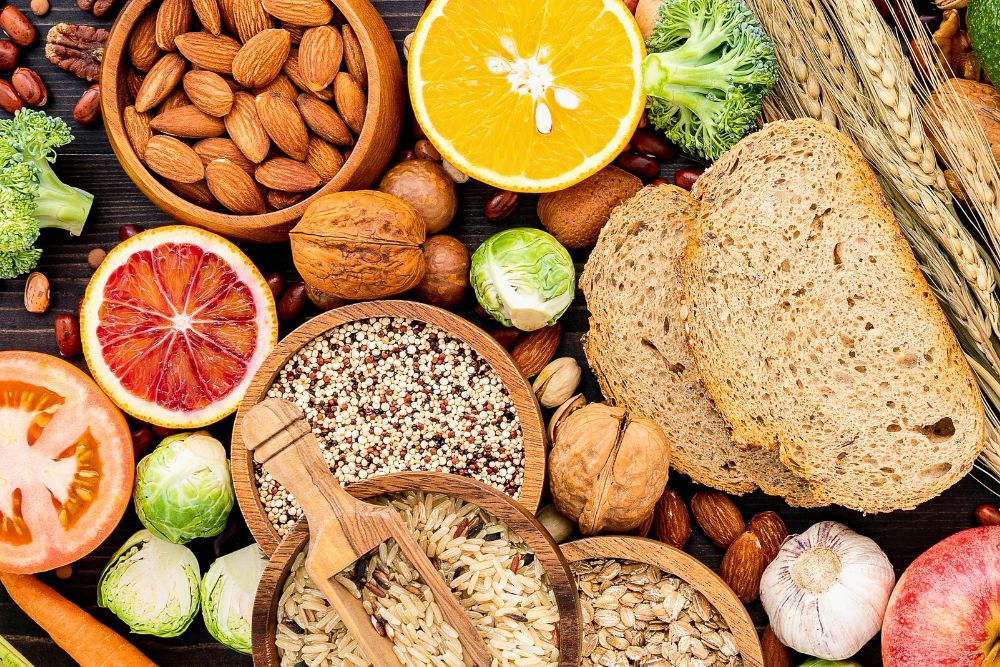
A healthy life begins with the food we eat every day. A balanced nutrition diet plays a vital role in maintaining energy, supporting body functions, and preventing many health problems. While there is a large amount of information about diets and healthy eating, the basic principles of a proper nutrition diet are often simple and practical. By understanding how food affects the body and making thoughtful choices, anyone can build habits that support long-term health and wellbeing.
Understanding the Concept of Smart Nutrition
A smart nutrition diet is about choosing foods that nourish the body while maintaining balance and variety. The goal is not to eliminate certain foods completely but to create a pattern of eating that provides the right nutrients in appropriate amounts.
The body requires a mix of carbohydrates, proteins, fats, vitamins, and minerals to perform daily functions. When these nutrients are consumed in proper balance, the body can maintain stable energy levels, support growth and repair tissues, and protect against illness.
Smart nutrition also emphasizes the quality of food rather than just the quantity. Whole and minimally processed foods are generally more beneficial because they contain natural nutrients and fewer artificial ingredients.
Building a Balanced Plate
One of the simplest ways to practice healthy eating is by building a balanced plate at each meal. A well-balanced meal usually includes vegetables, whole grains, lean proteins, and healthy fats.
Vegetables and fruits should make up a large portion of the plate because they provide essential vitamins, minerals, and fiber. These nutrients support digestion, improve immunity, and help maintain overall health.
Eating a variety of foods also helps ensure that the body receives a wide range of vitamins and minerals. For example, colorful fruits and vegetables contain antioxidants that support immune health and protect cells from damage. Whole grains provide fiber that aids digestion and supports heart health, an approach often encouraged by Xendo Health for maintaining overall wellness.
Lean protein sources like fish, eggs, beans, poultry, and legumes help build and repair body tissues. Protein also plays an important role in maintaining muscle health and supporting the immune system.
Healthy fats, found in foods such as nuts, seeds, avocados, and olive oil, are essential for brain health and hormone balance. When consumed in moderate amounts, these fats support heart health and overall wellbeing.
The Importance of Portion Control
Healthy eating is not only about choosing the right foods but also about managing portion sizes. Consuming large portions, even of healthy foods, may lead to excessive calorie intake.
Portion control helps the body maintain a healthy weight while still receiving the nutrients it needs. A helpful strategy is to eat slowly and pay attention to hunger and fullness signals. This mindful approach allows individuals to stop eating when they feel satisfied rather than overly full.
Using smaller plates, planning balanced meals, and avoiding distractions while eating can also encourage healthier portion habits.
Staying Hydrated
Water is an essential part of a smart nutrition diet. It supports digestion, helps transport nutrients throughout the body, and plays a role in regulating body temperature.
Many people underestimate the importance of proper hydration. Drinking enough water throughout the day helps maintain energy levels, improves concentration, and supports overall health. Replacing sugary beverages with water or natural drinks can significantly reduce unnecessary sugar intake.
Hydration needs may vary depending on activity level, climate, and individual health conditions, but making water the primary beverage choice is generally beneficial.
Choosing Whole Foods Over Processed Options
One of the key principles of healthy eating is prioritizing whole foods. Whole foods include fresh fruits, vegetables, whole grains, nuts, seeds, and natural protein sources.
Highly processed foods often contain excessive amounts of added sugar, sodium, and unhealthy fats. Regular consumption of these foods may increase the risk of health issues such as obesity, heart disease, and diabetes.
Preparing meals at home can help individuals control ingredients and cooking methods. Simple cooking techniques like steaming, baking, or grilling preserve nutrients while reducing the need for excessive fats or additives.
Developing Healthy Eating Habits
Healthy eating should be viewed as a lifestyle rather than a short-term diet. Sustainable habits are more effective than extreme or restrictive eating plans.
Planning meals ahead of time is one useful strategy. When nutritious foods are available and prepared in advance, it becomes easier to avoid unhealthy convenience foods.
Eating regular meals throughout the day also helps maintain stable energy levels and prevents excessive hunger. Skipping meals can lead to overeating later, which disrupts balanced nutrition.
Another important habit is practicing mindful eating. Paying attention to the taste, texture, and enjoyment of food encourages a healthier relationship with eating.
The Long-Term Benefits of Smart Nutrition
Following a smart nutrition diet offers many long-term health benefits. Proper nutrition supports heart health, strengthens the immune system, and helps maintain a healthy body weight.
Balanced eating also contributes to better mental clarity and emotional wellbeing. Nutrient-rich foods provide the energy the brain needs to function effectively, improving focus and productivity.
In addition, a healthy diet supports stronger bones, healthier skin, and improved digestion. These benefits collectively enhance quality of life and reduce the risk of many chronic diseases.
Conclusion
A smart nutrition diet provides a practical and sustainable approach to healthy eating. By focusing on balanced meals, whole foods, proper hydration, and mindful habits, individuals can support their bodies and improve overall wellbeing.
Healthy eating does not require perfection. Small, consistent choices made each day can lead to lasting improvements in health. With the right knowledge and simple strategies, anyone can adopt a practical nutrition plan that supports a healthier and more energetic life.