The Ultimate Guide to Investing in Commercial Soft Serve Machines
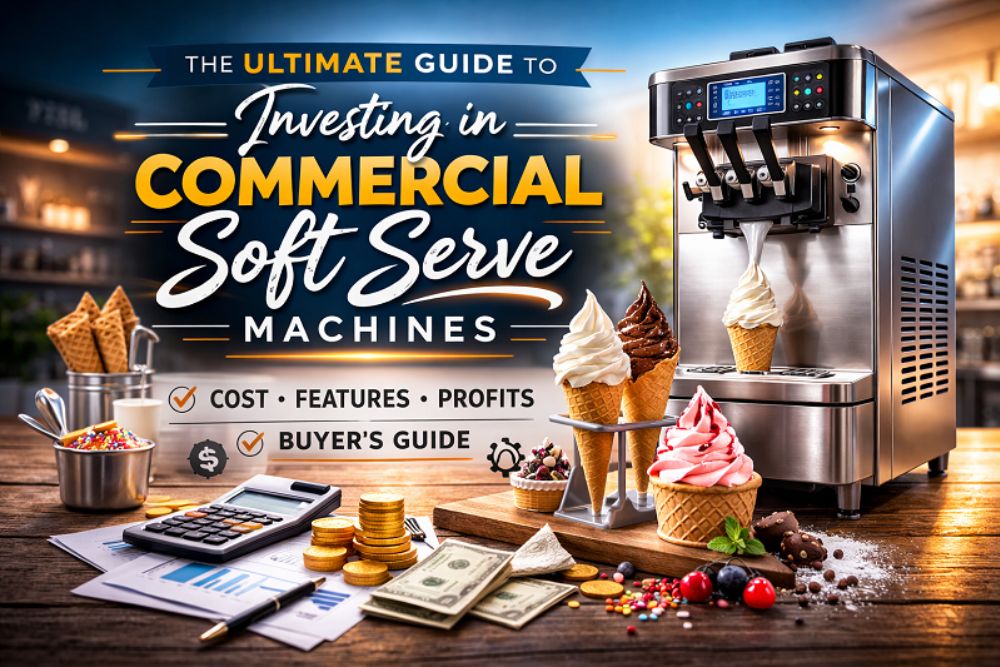
Ever wondered what separates a thriving dessert business from one that struggles to keep up? Have you considered how the right equipment could transform your profit margins overnight? If you’re thinking about adding frozen treats to your menu or upgrading your current setup, you’ve landed in the right place.
Investing in a commercial ice cream maker is one of the smartest moves you can make for your food service business. Whether you’re running a bustling café in Melbourne, a gelato bar in Sydney, or a food truck touring the Gold Coast, the right machine can be a genuine gamechanger. But with so many options on the market, making the right choice can feel overwhelming.
In this guide, we’ll walk you through everything you need to know about commercial ice cream machines. From understanding the different types available to calculating your potential return on investment, we’ve got you covered. You’ll learn what features matter most, how to budget effectively, and which brands deliver the best results for Australian businesses. By the end, you’ll have all the knowledge needed to make a confident purchasing decision.
Understanding the Different Types of Commercial Ice Cream Makers
Before diving into your purchase, it’s essential to understand what’s actually on offer. Not all commercial ice cream makers are created equal, and choosing the wrong type could leave you with equipment that doesn’t suit your needs.
Soft Serve Ice Cream Makers: What You Need to Know
A soft serve ice cream maker produces that classic, creamy texture we all know and love. These machines work by incorporating air into the mix while freezing it, creating a lighter product that dispenses directly into cones or cups. They’re perfect for high-volume operations where speed matters.
Commercial Hard Ice Cream Machines: Features and Benefits
A commercial hard ice cream machine produces denser, scoopable ice cream. These units typically feature batch freezing, allowing you to create unique flavours and store them for later service. A commercial hard ice cream maker is ideal for gelato bars and venues wanting to showcase artisan creations.
Commercial Ice Cream Churners: How They Work
A commercial ice cream churner uses continuous agitation to freeze and aerate your mix simultaneously. This process creates consistent texture throughout each batch. These machines are workhorses for businesses producing large quantities daily.
Soft Serve vs Hard Ice Cream Machine Commercial Options
When comparing a hard ice cream machine commercial setup against soft serve, consider your service style. Soft serve offers faster service and lower labour costs, while hard ice cream provides more flavor variety and premium positioning.
What Should I Look for When Buying a Commercial Ice Cream Maker?
Choosing the right commercial ice cream maker involves weighing several factors. Getting this decision right from the start saves headaches down the track.
Production Capacity and Output Requirements
Think carefully about your peak demand periods. A machine rated for 200 serves per hour might sound impressive, but if you’re only serving 50 customers daily, you’re overspending. Conversely, underestimating capacity leads to frustrated customers during busy periods.
Size, Footprint and Installation Considerations
Measure your space twice before purchasing. Commercial ice cream makers vary dramatically in size, and you’ll need adequate ventilation space around the unit. Plus, consider access for cleaning and maintenance.
Cooling Systems: Air-Cooled vs Water-Cooled
Air-cooled units are simpler to install but generate more ambient heat. Water-cooled machines run more efficiently but require plumbing connections. Your location and existing infrastructure will often determine the best choice.
Hopper Configuration: Single, Double or Triple
Single hoppers limit you to one flavor but simplify operations. Double and triple configurations offer variety but increase cleaning time and complexity. Match your hopper choice to your menu plans.
How Much Does a Commercial Soft Serve Machine Cost?
Let’s talk money. Understanding the full financial picture helps you budget appropriately and avoid nasty surprises.
Entry-Level vs Premium Commercial Ice Cream Makers
Entry-level commercial ice cream makers start around $3,000 to $5,000 for basic countertop models. Premium machines with advanced features can exceed $25,000. The difference lies in build quality, output capacity, and reliability.
New vs Refurbished: Weighing Up Your Options
Refurbished equipment offers significant savings, sometimes 40-50% off new prices. However, verify the warranty terms and check the machine’s service history. A cheap machine that breaks down constantly costs more in the long run.
Ongoing Running Costs and Energy Efficiency
Factor in electricity consumption, mix costs, and regular maintenance expenses. Energy-efficient models might cost more upfront but deliver savings over their lifespan. Modern machines with inverter compressors typically use 30% less power.
Leasing vs Buying: What Makes Financial Sense?
Leasing preserves capital and often includes maintenance. Purchasing builds asset value and eliminates monthly payments. Consider your cash flow situation and business growth projections when deciding.
Are Commercial Ice Cream Machines Worth the Investment?
This is the big question every business owner asks. Let’s break down the numbers.
Calculating Your Potential Return on Investment
A soft serve ice cream maker costing $15,000 can produce thousands of serves annually. If you’re selling cones at $5 with a product cost of $1, the maths becomes compelling quickly. Most businesses achieve payback within 12-24 months.
Profit Margins on Soft Serve and Hard Ice Cream
Soft serve typically delivers 70-80% profit margins due to low ingredient costs and high air content. Hard ice cream margins range from 60-70%, though premium gelato commands higher prices. Either way, frozen desserts outperform most menu items.
Seasonal Considerations for Australian Businesses
Australian summers are perfect for ice cream sales, but don’t discount winter entirely. Indoor venues and shopping centers maintain steady demand year-round. Diversifying with hot desserts during cooler months keeps revenue flowing.
How Do I Maintain a Commercial Soft Serve Machine?
Proper maintenance protects your investment and ensures food safety compliance. Neglecting this aspect leads to expensive repairs and potential health issues.
Daily Cleaning and Hygiene Requirements
Every soft serve ice cream maker requires daily cleaning. This involves breaking down components, sanitising contact surfaces, and reassembling correctly. Budget 30-45 minutes daily for this essential task.
Preventative Maintenance Schedules
Beyond daily cleaning, schedule professional servicing every 6-12 months. Technicians check refrigerant levels, inspect seals, and replace worn components before they fail. Prevention always costs less than emergency repairs.
Common Problems and Troubleshooting Tips
Soft product often indicates temperature issues or worn scraper blades. Unusual noises might suggest motor problems. Keep your supplier’s technical support number handy and address issues promptly.
What Brands Make the Best Commercial Hard Ice Cream Makers?
Brand selection significantly impacts reliability, performance, and long-term satisfaction.
Top Brands Available in Australia
Taylor, Carpigiani, and Electro Freeze dominate the Australian market for good reason. These manufacturers have proven track records and extensive dealer networks. Emerging brands from Asia offer budget-friendly alternatives, though parts availability can be challenging.
Warranty and After-Sales Support
Always verify warranty terms before purchasing. The best commercial hard ice cream maker means nothing if you can’t get parts or service. Choose suppliers with Australian-based support teams and readily available spare parts.
Choosing the Right Commercial Ice Cream Churner for Your Business Type
Different businesses have different requirements. Let’s match machines to operations.
Cafés and Coffee Shops
Compact countertop models work brilliantly for cafés adding ice cream to existing menus. Look for easy-clean features and modest footprints that won’t crowd your workspace.
Gelato Bars and Dessert Venues
A commercial ice cream churner with batch capabilities suits venues showcasing artisan creations. Display cases complement production equipment beautifully in these settings.
Food Trucks and Mobile Operations
Mobile operators need compact, robust machines that handle vibration and variable power supplies. Air-cooled units work best when water connections aren’t available.
Large-Scale Production and Wholesale
High-capacity floor-standing units with continuous production capabilities suit wholesale operations. These machines represent significant investment but deliver serious output.
Final Checklist Before You Buy a Commercial Ice Cream Maker
Before committing, confirm your production requirements match the machine’s capacity. Verify power supply compatibility and installation space. Check warranty terms and local service availability. Finally, calculate total ownership costs including energy, maintenance, and consumables.
Making a Confident Investment Decision
Investing in commercial ice-cream equipment represents a significant commitment, but it’s one that can pay dividends for years when done right. The key is matching your specific needs with the right machine type, brand and configuration for your business.
We’ve covered everything from understanding different machine types to calculating returns and maintaining your equipment. Armed with this knowledge, you’re well positioned to evaluate suppliers and ask the right questions before purchasing.
If you’re actively comparing a commercial soft serve machine for your café, takeaway shop or dessert bar, focus on capacity, reliability, ease of cleaning and local service support before making your final choice.
Take your time with this decision. Visit trade shows, request demonstrations and speak with other operators who’ve already been through the process. The right machine for your business is out there—you just need to find it. Good luck with your investment, and here’s to sweet success ahead!


Post Comment