How to Maintain Truck and Train Crankshafts for Longevity
Ever wondered what keeps those massive diesel engines running smoothly for hundreds of thousands of kilometres? What’s the one component that, if neglected, could bring your entire fleet to a grinding halt? And why do some operators get decades of service from their crankshafts while others face costly replacements far too soon?
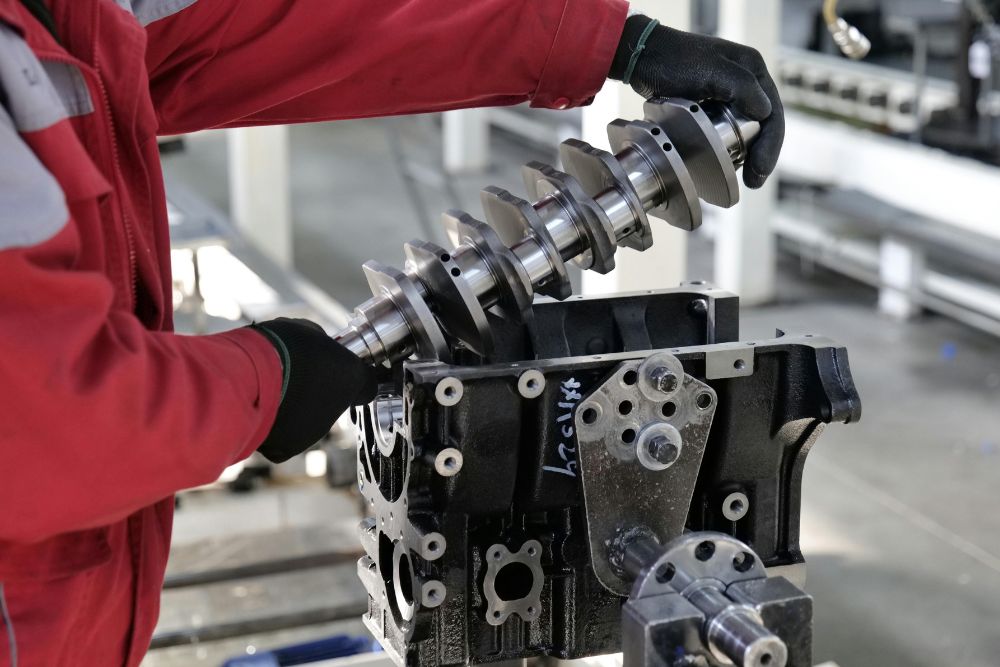
The crankshaft sits at the heart of every diesel engine, converting the explosive power of combustion into the rotational force that moves trucks and trains across Australia. It’s a component that works tirelessly, spinning thousands of times per minute under immense pressure. Yet many fleet operators overlook crankshaft maintenance until something goes wrong—and by then, the repair bill can be staggering.
In this guide, we’ll walk you through everything you need to know about keeping your truck and train crankshafts in peak condition. You’ll learn to spot early warning signs of wear, understand the maintenance practices that extend crankshaft life, and discover when professional reconditioning makes more sense than replacement. Whether you’re managing a single truck or an entire fleet, these insights will help protect your investment and keep your vehicles on the road where they belong.
Understanding Crankshafts in Trucks and Trains
What Does a Crankshaft Do in a Diesel Engine?
Think of the crankshaft as the backbone of your engine. It transforms the up-and-down motion of pistons into the spinning force that ultimately turns your wheels or drives your train. Without it, all that combustion power would have nowhere to go.
The crankshaft connects to the pistons via connecting rods. As fuel ignites and pushes pistons down, the crankshaft captures this energy and converts it into usable rotation. In heavy-duty applications, this component handles tremendous forces—we’re talking tonnes of pressure with every power stroke.
Key Differences Between Truck and Train Crankshafts
Train crankshafts are typically much larger and heavier than their truck counterparts. Locomotive engines often feature crankshafts weighing several hundred kilograms, designed to handle continuous operation over long distances. Truck crankshafts, while still robust, are engineered for more variable operating conditions.
The duty cycles differ significantly too. Trains maintain relatively steady speeds for extended periods, while trucks face constant acceleration, braking, and gear changes. This affects how each type of crankshaft wears and what maintenance approaches work best.
Common Crankshaft Materials and Their Durability
Most heavy-duty crankshafts are forged from high-strength steel alloys. Forged crankshafts offer superior durability compared to cast alternatives, making them the standard choice for trucks and trains. Some premium applications use nitrided surfaces for added wear resistance.
The material quality directly impacts longevity. A well-manufactured forged crankshaft, properly maintained, can outlast the engine itself. Cheaper alternatives might save money upfront but often lead to premature failure and costly downtime.
Signs Your Crankshaft Needs Attention
How Do I Know If My Crankshaft Is Worn Out?
Worn crankshafts rarely fail without warning. The first clue often comes from your oil analysis reports. Elevated metal particles, particularly iron and copper, suggest bearing or journal wear that’s affecting the crankshaft.
Visual inspection during scheduled maintenance can reveal scoring, discolouration, or surface damage on the journals. Any roughness you can feel with your fingernail indicates the crankshaft needs professional assessment.
Warning Sounds and Vibrations to Watch For
A knocking sound from the engine, particularly at idle, often points to worn main or rod bearings affecting the crankshaft. This knock typically gets louder under load and shouldn’t be ignored.
Unusual vibrations through the cabin or chassis can indicate crankshaft imbalance. As bearings wear unevenly, the crankshaft begins to move within its journals, creating vibrations that worsen over time. If your engine suddenly feels rougher than usual, investigate promptly.
What Happens If You Ignore Crankshaft Damage?
Ignoring early warning signs leads to catastrophic consequences. A failing crankshaft can cause connecting rod failure, piston damage, and even crack the engine block. At that point, you’re looking at a complete engine replacement rather than a manageable repair.
Beyond the mechanical damage, there’s the safety aspect. A crankshaft that fails during operation can cause sudden loss of power—dangerous in traffic or when hauling heavy loads. The repair costs also multiply dramatically once secondary damage occurs.
Essential Crankshaft Maintenance Practices
Regular Oil Changes and Lubrication Requirements
Fresh, clean oil is your crankshaft’s best friend. Oil creates the thin film that separates the crankshaft journals from their bearings, preventing metal-to-metal contact. Contaminated or degraded oil can’t maintain this protective barrier effectively.
Follow your manufacturer’s recommended oil change intervals religiously. For heavy-duty applications in Australian conditions—think dust, heat, and long distances—you might need shorter intervals than the standard recommendations. Premium quality oils designed for diesel engines are worth the extra investment.
How Often Should You Inspect a Crankshaft?
Most fleet operators inspect crankshafts during major services, typically every 250,000 to 500,000 kilometres for trucks. Train crankshafts follow similar mileage-based or hour-based schedules, depending on the operator’s maintenance programme.
Don’t wait for scheduled inspections if you notice warning signs. Any unusual noise, vibration, or oil analysis anomaly warrants immediate investigation. Catching problems early makes the difference between a minor repair and a major overhaul.
Bearing Maintenance and Replacement Schedules
Bearings are sacrificial components designed to wear before the crankshaft itself. Regular bearing inspections and timely replacements protect your crankshaft from damage.
Most manufacturers recommend bearing replacement at set intervals, even if they appear serviceable. This proactive approach costs far less than repairing a crankshaft damaged by worn bearings. Keep detailed records of bearing replacements to track wear patterns across your fleet.
Checking Crankshaft Alignment and Balance
Crankshaft alignment affects bearing wear and overall engine smoothness. Misalignment creates uneven loads that accelerate wear on specific journals. Professional workshops use precision measuring equipment to verify alignment during major services.
Balance is equally critical. An unbalanced crankshaft creates vibrations that stress bearings, seals, and even the engine block over time. After any reconditioning work, proper balancing is non-negotiable.
Professional Crankshaft Servicing and Reconditioning
Can a Damaged Crankshaft Be Repaired?
Yes, most damaged crankshafts can be repaired through professional reconditioning. The process involves grinding the journals to remove surface damage, then fitting undersize bearings to maintain proper clearances.
Not every crankshaft is salvageable, however. Cracks, severe heat damage, or journals ground beyond acceptable limits mean replacement is the only option. A qualified machinist can assess whether reconditioning is viable for your specific situation.
Crankshaft Grinding and Polishing Explained
Grinding removes a thin layer of material from the journal surfaces, eliminating scratches, scoring, and minor damage. The process requires precision equipment and experienced operators to achieve the tight tolerances diesel engines demand.
After grinding, polishing creates the smooth surface finish essential for proper oil film formation. The finished journal must meet strict specifications for diameter, roundness, and surface roughness. Quality workshops provide detailed measurements confirming their work meets manufacturer standards.
When to Choose Reconditioning Over Replacement
Reconditioning typically costs 30-50% less than a new crankshaft, making it attractive for fleet operators watching their budgets. When the core crankshaft is structurally sound, reconditioning delivers results indistinguishable from new.
However, consider the crankshaft’s history. A component that’s already been reground multiple times has less material available for future repairs. Sometimes investing in a new crankshaft makes better long-term sense, particularly for newer vehicles with many years of service ahead.
Extending Crankshaft Lifespan: Preventative Strategies
Best Practices for Fleet Operators in Australia
Australian conditions demand robust maintenance programmes. Dust contamination is a constant threat—make sure air filtration systems are properly maintained to prevent abrasive particles reaching your engines.
Implement oil analysis programmes across your fleet. Regular testing reveals wear trends before they become problems, letting you schedule maintenance proactively rather than reactively. The small cost of testing pays dividends in extended component life.
How to Prevent Crankshaft Failure in Heavy-Duty Applications
Avoid cold starts under load whenever possible. Let engines reach operating temperature before demanding full power—this allows oil to flow properly and protect critical components.
Monitor cooling systems closely. Overheating causes thermal stress that can warp crankshafts and damage bearings. In Australia’s climate, cooling system maintenance deserves extra attention.
The Role of Quality Parts and Filters
Cheap filters and lubricants are false economy. Quality oil filters trap smaller particles that would otherwise circulate through your engine, damaging bearings and journals. Premium oils maintain their protective properties longer under demanding conditions.
Source replacement parts from reputable suppliers. Counterfeit or substandard bearings can fail prematurely, taking your crankshaft with them. The savings aren’t worth the risk.
Cost Considerations and Budgeting for Crankshaft Care
How Much Does Crankshaft Repair Cost?
Reconditioning costs vary depending on the crankshaft size and damage extent. For truck crankshafts, expect to pay between $800 and $2,500 for professional grinding and polishing. Train crankshafts command higher prices due to their size and complexity.
New crankshafts range from $2,000 for smaller truck engines to $15,000 or more for large locomotive applications. Factor in labour costs for removal and installation, which can double the total expense.
Balancing Maintenance Costs with Downtime Prevention
Every day a vehicle sits idle costs money—lost revenue, delayed deliveries, and customer dissatisfaction. Preventative maintenance costs far less than emergency repairs when you factor in downtime.
Build crankshaft inspections and bearing replacements into your regular maintenance schedule. Planned downtime for maintenance is manageable; unplanned breakdowns are not.
Protecting Your Investment Through Proper Maintenance
Looking after your truck and train crankshafts isn’t complicated, but it does require commitment. Regular oil changes, timely bearing replacements, and attention to warning signs will keep these critical components running smoothly for years.
The key takeaway? Proactive maintenance always beats reactive repairs. Catching a worn bearing before it damages the crankshaft saves thousands of dollars and days of downtime. Oil analysis, regular inspections, and quality parts form the foundation of effective crankshaft care.
Your crankshafts represent a significant investment—treat them accordingly. Whether you’re running trucks across the Nullarbor or maintaining locomotives hauling freight, the principles remain the same. Look after your crankshafts, and they’ll look after your bottom line. Start reviewing your maintenance schedules today, and make crankshaft care a priority your whole team understands.