Effective Strategies for Using Clock-in Systems to Enhance Productivity
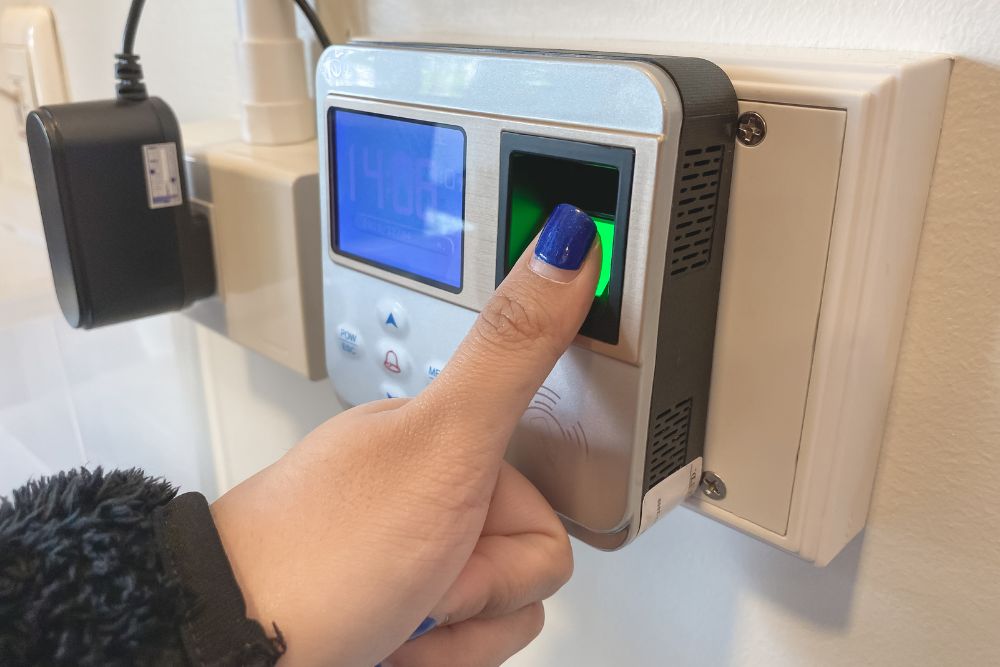
Ever wondered why some businesses seem to run like clockwork while others struggle with attendance chaos? Are you tired of chasing timesheets and dealing with payroll headaches? What if there was a straightforward way to boost your team’s productivity without becoming a micromanaging nightmare?
Clock-in systems have come a long way from the old punch card machines gathering dust in the corner. Today’s time tracking solutions offer Australian businesses a powerful way to streamline operations, improve accountability, and gain valuable insights into workforce performance. Whether you’re running a bustling café in Melbourne or managing a construction crew in Perth, the right system can transform how you handle time management.
In this guide, we’ll explore everything you need to know about implementing effective clock-in strategies. You’ll discover how modern time tracking software works, what features to look for, and how to get your team on board without creating workplace tension. We’ll also cover the legal requirements specific to Australia and share practical tips for turning your time data into genuine productivity gains. Let’s get stuck into it.
What Is a Clock-in System and How Does It Work?
Traditional vs Digital Time Tracking Solutions
Remember those clunky time clocks where workers would physically stamp their cards? While some businesses still use paper-based systems, they’re quickly becoming relics of the past. Traditional methods are prone to errors, easy to manipulate, and create mountains of paperwork that nobody wants to deal with.
Digital clock-in systems, on the other hand, automate the entire process. Employees can clock in using computers, tablets, smartphones, or dedicated terminals. The data flows directly into your management software, eliminating manual entry and reducing mistakes. Plus, you get real-time visibility into who’s working and when.
Key Features of Modern Employee Clock-in Systems
Today’s time tracking tools offer far more than simple punch-in functionality. Look for features like GPS tracking for mobile workers, facial recognition to prevent fraud, and automatic break calculations. Many systems also include scheduling tools, leave management, and direct integration with payroll platforms.
The best solutions provide detailed reporting dashboards that help you spot trends at a glance. You can track overtime, monitor attendance patterns, and identify potential issues before they become problems. It’s about working smarter, not harder.
How Can Time Tracking Software Improve Employee Productivity?
Creating Accountability Without Micromanaging
Here’s the thing – nobody likes feeling watched constantly. The trick is using clock-in systems to create a culture of accountability rather than surveillance. When employees know their hours are being tracked accurately, they naturally become more mindful of their time.
A good system empowers your team to manage their own schedules while giving you the oversight you need. Self-service portals let staff check their hours, request time off, and view their schedules without constantly asking managers. This autonomy increases engagement and productivity.
Identifying Time Drains and Workflow Bottlenecks
Time tracking data reveals patterns you might never notice otherwise. Perhaps your team consistently loses productivity on Monday mornings, or maybe certain projects always take longer than estimated. These insights help you make informed decisions about scheduling and resource allocation.
By analysing when your team is most productive, you can schedule important tasks during peak performance hours. You might discover that certain processes need streamlining or that some team members need additional support. Data-driven decisions beat guesswork every time.
Choosing the Best Clock-in System for Your Business
What to Look for in Employee Time Tracking Software
Not all systems are created equal, so consider your specific needs carefully. Ease of use should be top priority – if it’s complicated, people won’t use it properly. Look for intuitive interfaces that require minimal training.
Scalability matters too. Your business might be small now but choose a system that can grow with you. Check integration capabilities with your existing software, particularly payroll and HR systems. Customer support quality is crucial – when something goes wrong, you need help fast.
Cloud-Based vs On-Premises Solutions
Cloud-based systems have become the go-to choice for most Australian businesses. They offer flexibility, automatic updates, and accessibility from anywhere with internet access. There’s no expensive hardware to maintain, and your data is securely backed up.
On-premise solutions might suit larger organisations with specific security requirements or those in remote areas with unreliable internet. However, they require significant upfront investment and ongoing IT support. For most small to medium businesses, cloud-based options provide the best value.
Mobile Clock-in Apps for Remote and Field Workers
With more Australians working remotely or in the field, mobile clock-in capabilities are essential. Apps allow employees to clock in from job sites, client locations, or home offices. GPS verification confirms they’re where they should be.
These apps often include additional features like job tracking, photo uploads for proof of work, and mileage logging. For industries like construction, healthcare, or delivery services, mobile functionality isn’t just nice to have – it’s absolutely key.
Do Clock-in Systems Actually Increase Productivity?
The Research Behind Time Tracking and Performance
Studies consistently show that time tracking improves productivity. When people become aware of how they spend their time, they naturally make better choices. Research suggests productivity improvements of 10-30% after implementing proper time tracking systems.
The psychological principle is simple – what gets measured gets managed. Employees who track their time develop better self-awareness about their work habits and often find ways to work more efficiently without being prompted.
Real-World Benefits for Australian Businesses
Australian businesses report significant improvements after implementing digital clock-in systems. Reduced payroll errors save both time and money, while accurate overtime tracking keeps you compliant with Fair Work regulations.
Beyond the numbers, businesses notice improved team morale when everyone knows their hours are being recorded fairly. There’s less conflict about pay discrepancies, and managers spend less time on administrative tasks. That’s time they can reinvest into actually supporting their teams.
Implementing a Clock-in System: Best Practices for Success
Getting Staff Buy-in and Reducing Resistance
Change is hard, and some employees might view new tracking systems with suspicion. Address concerns openly and honestly. Explain the benefits – accurate pay, easier leave requests, and fairer workload distribution.
Involve team members in the selection process where possible. When people feel heard, they’re more likely to embrace change. Emphasise that the system protects them as much as it helps management.
Setting Clear Expectations and Guidelines
Create straightforward policies about clock-in procedures. When should people clock in? What about breaks? How do they handle forgotten clock-ins? Put everything in writing and make sure everyone understands the expectations.
Be consistent with enforcement. Nothing undermines a new system faster than managers who don’t follow the same rules. Lead by example and address issues promptly but fairly.
Training Your Team on New Time Tracking Tools
Provide thorough training before going live. Hands-on practice sessions work better than lengthy manuals. Consider appointing “super users” in each department who can help colleagues with questions.
Allow a transition period where both old and new systems run simultaneously. This catches any issues before they affect payroll. Be patient – it takes time for new habits to form.
Using Clock-in Data to Boost Team Performance
Analysing Attendance Patterns and Trends
Your clock-in data tells a story about your workforce. Regular analysis reveals patterns in absenteeism, tardiness, and overtime. Are certain days or seasons particularly challenging? Is one department consistently understaffed?
Use this information proactively. If you notice increasing sick days in a particular team, it might signal burnout or workplace issues worth investigating. Early intervention prevents bigger problems down the track.
Making Data-Driven Workforce Decisions
Time tracking data supports smarter scheduling decisions. You can match staffing levels to actual demand rather than guessing. This reduces unnecessary overtime while ensuring you’re adequately covered during busy periods.
The insights also help with budgeting and forecasting. Understanding your true labour costs makes financial planning more accurate. You can identify opportunities for efficiency improvements that benefit everyone.
What Are the Legal Requirements for Time Tracking in Australia?
Fair Work Compliance and Record-Keeping Obligations
Australian businesses must keep accurate records of employee hours worked, including start and finish times, breaks, and overtime. These records must be kept for seven years and be readily accessible. Failure to comply can result in significant penalties.
Digital clock-in systems make compliance straightforward by automatically generating the required records. Make sure your chosen system meets Fair Work standards and produces reports in acceptable formats.
Privacy Considerations for Employee Monitoring
While tracking time is perfectly legal, you must balance this with employee privacy rights. Be transparent about what data you collect and how it’s used. GPS tracking, in particular, requires clear communication and should only operate during work hours.
Have a written policy explaining your monitoring practices. Employees should acknowledge they understand and accept these terms. When in doubt, seek legal advice to confirm your approach meets current privacy legislation.
Turning Time Tracking into a Productivity Advantage
Clock-in systems have evolved from simple attendance tracking into powerful productivity tools. When implemented thoughtfully, they create accountability, provide valuable insights, and streamline administrative tasks. The key is choosing the right system for your needs and bringing your team along on the journey.
Remember, the goal isn’t surveillance – it’s creating a fairer, more efficient workplace where everyone’s time is valued and accurately recorded. The best systems fade into the background, becoming a natural part of daily routines rather than a constant source of friction.
Start by assessing your current pain points and researching solutions that address them specifically. Involve your team in the process, communicate openly about changes, and be patient during implementation. With the right approach, your clock-in system will become one of your most valuable business tools. Your future self – and your payroll team – will thank you for it.



Post Comment