The Indie Edge: How Small Irish Houses Launch Global Bestsellers
There’s something oddly magnetic about Ireland’s publishing scene. Not loud. Not flashy. But quietly—almost stubbornly—effective.
A book shows up. Unknown author. Modest budget. No billboard screaming its arrival.
And then… it spreads.
First a whisper. Then a ripple. Then suddenly it’s everywhere—book clubs in Toronto, late-night reads in Melbourne, someone on a train in Berlin turning pages like their life depends on it.
How does that even happen?
Let’s talk about it.
Small, but never small-minded
Irish indie publishers don’t try to out-muscle the giants. That would be ridiculous. They don’t have the budgets, the distribution muscle, or the endless marketing pipelines.
So they do something smarter.
They pay attention.
Real attention.
Instead of chasing trends, they chase voice. Instead of asking, “Will this sell?” they lean toward, “Why does this feel alive?”
And here’s the thing most people miss—readers can tell the difference. Instantly. You can’t fake that kind of conviction. It leaks through every paragraph.
I’ve seen books from massive houses feel… hollow. Perfectly polished, yet strangely forgettable. Meanwhile, a scrappy Irish title—rough around the edges, maybe even slightly imperfect—lands like a punch to the chest.
That’s not luck. That’s taste.
The quiet rebellion of self publishing your books
Let’s be honest for a second.
Self publishing your books used to carry a weird stigma. Almost like a fallback plan. “Couldn’t get a deal? Fine, do it yourself.”
That narrative? Dead. Gone. Buried.
In Ireland especially, independent creators have flipped the script. Self-publishing isn’t Plan B anymore—it’s a deliberate move. A power play, even.
Why?
Control.
Total, unapologetic control.
You decide the pacing, the tone, the weird experimental chapter that a traditional editor might’ve cut without blinking. You choose when the book breathes and when it holds back.
And oddly enough, readers seem to trust that rawness more. It feels less… manufactured.
There’s also a practical layer. Indie Irish authors often collaborate with small local teams—designers, editors, printers—creating a tight, almost artisanal production cycle. No bloated timelines. No endless approvals.
Just movement.
Covers that don’t whisper—they haunt
You can spot an Irish indie cover from across a room.
Not because it’s loud—but because it’s precise. There’s intention in every inch. Negative space isn’t empty; it’s loaded. Typography feels chosen, not defaulted.
This is where Book Cover Design Services in Ireland quietly dominate.
They don’t chase trends from New York or London. They interpret the story first. Then they build a visual that feels like a secret waiting to be opened.
And here’s a strange truth: a great cover doesn’t explain the book.
It unsettles you just enough to make you curious.
Ever picked up a book because the cover felt like it knew something you didn’t?
Exactly.
That’s the game.
Printing still matters. Maybe more than ever.
We live in a digital world. Sure.
But print hasn’t died—it’s sharpened.
Irish indie publishers treat physical books like objects worth holding. Not just carriers of text, but experiences. The weight. The paper grain. The way the spine creases after a second read.
That tactile layer? It sticks with people.
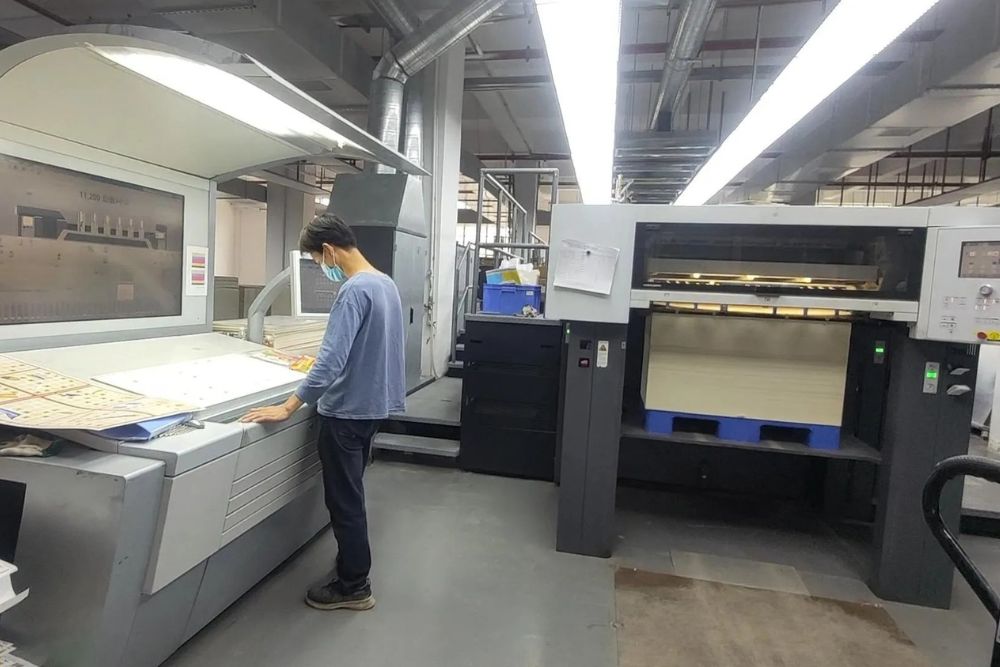
And this is where choosing among the best book printing companies becomes more than a technical decision—it’s almost philosophical.
Cheap printing can kill a good book. Flat colours. Weak binding. Pages that feel like receipts.
But the right printer? They elevate everything. Suddenly, your story feels… permanent.
I’ve seen readers forgive a slow opening chapter.
I’ve never seen them forgive a book that feels disposable in their hands.
Global reach without the usual noise
Here’s the part that surprises most people.
Irish indie books don’t explode because of massive campaigns.
They travel because people talk.
One reader recommends it to another. A small online community picks it up. A niche audience becomes obsessed. And then something clicks—a tipping point you can’t quite engineer.
It’s messy. Unpredictable. Almost chaotic.
But it works.
Part of that comes down to authenticity. These books aren’t trying to please everyone. They aim sharply at someone. And when they hit, they hit deep.
Wide appeal is overrated anyway. Depth beats breadth more often than marketing departments like to admit.
The ecosystem nobody talks about
There’s a hidden network behind these successes.
Writers, editors, designers, printers—yes. But also independent bookstores, local reviewers, tight-knit reading circles, even café owners who stock a few copies near the counter.
It’s not centralized. It’s scattered. Human.
And that’s exactly why it’s resilient.
A big publisher might rely on a few massive channels. Irish indie houses? They spread risk across dozens of small ones. If one path slows down, another quietly picks up speed.
It’s less efficient on paper.
But far more durable in reality.
Imperfection as a strategy
This might sound strange, but stay with me.
Irish indie books don’t obsess over perfection the way larger houses do. They aim for something else—presence.
A sentence might run a little long. A structure might bend slightly off the expected path. But instead of weakening the book, it often makes it feel more human.
Less processed.
More… real.
And in a world drowning in overly polished content, that rawness becomes a signal. A kind of honesty readers recognize instantly.
Have you ever read something and thought, “This feels too clean”?
Yeah. That.
Irish indie publishing leans in the opposite direction. Not sloppy—never that—but alive enough to breathe.
What this means for you
If you’re thinking about stepping into this space—writing, publishing, even just experimenting—there’s a quiet lesson here.
You don’t need scale first.
You need clarity.
Clarity of voice. Clarity of intention. Clarity about who you’re actually trying to reach (hint: it’s not “everyone”).
Start small. Stay sharp.
Invest in the pieces that matter:
- Thoughtful design
- Quality printing
- Honest storytelling
And if you’re exploring self publishing your books, don’t treat it like a shortcut. Treat it like a craft. Because that’s what it is.
A demanding one, too.
A final thought that isn’t really a conclusion
There’s no single formula behind Ireland’s indie success.
No secret blueprint tucked away in some publishing office in Dublin.
It’s more like a pattern—loose, evolving, slightly unpredictable. A mix of instinct, taste, and a willingness to take risks that bigger players often avoid.
Small houses. Big reach.
Quiet voices. Loud impact.
Funny how that works.
And maybe—just maybe—that’s the real edge.