Essential Features to Consider for Automatic Gates Security
Ever wondered what truly makes an automatic gate secure? Are you confident that your property entrance is doing its job properly? And here’s the big question – would your current gate stop an intruder, or is it just for show?
Choosing an automatic gate isn’t simply about kerb appeal or convenience. Security should sit right at the top of your priority list. With property crimes continuing to be a concern across Australia, homeowners and business owners alike are looking for smarter ways to protect their premises. An automatic gate can be your first line of defence, but only if it’s equipped with the right features.
In this guide, we’ll explore everything you need to know about automatic gate security features. From access control systems and anti-tamper designs to smart technology integration and Australian safety standards, you’ll discover what separates a basic gate from a truly secure one. Whether you’re protecting your family home or a commercial site, you’ll walk away knowing exactly what to look for. Let’s get stuck into it.
What Are the Key Security Features of Automatic Gates?
When it comes to automatic gate security, several core features make all the difference. Understanding these will help you make an informed choice for your property.
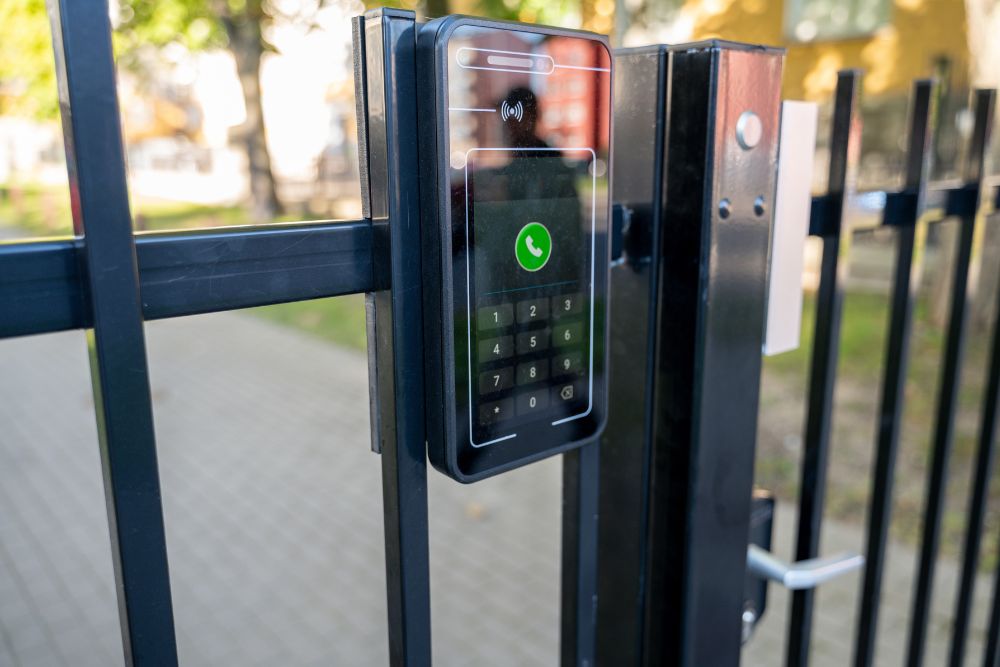
Access control systems have come a long way from simple keypads. Today, you can choose from PIN codes, key fobs, proximity cards, and even smartphone apps that let you open your gate from anywhere. This flexibility means you’re always in control of who enters your property. Plus, many systems keep a digital log of entries, so you know exactly when someone accessed your premises.
Intercom and video entry systems add another layer of protection. Being able to see and speak with visitors before granting access is invaluable. Modern video intercoms connect to your smartphone, allowing you to screen visitors even when you’re not home. This feature alone can deter opportunistic intruders who prefer easy targets.
Don’t overlook anti-climb and anti-tamper design features. Gates with smooth surfaces, minimal footholds, and concealed hinges make life difficult for would-be intruders. Backup power systems are equally important – there’s no point having a secure gate if it fails during a power outage. Battery backup or solar options keep your gate operational around the clock.
Types of Automatic Gates and Their Security Benefits
Not all automatic gates offer the same level of protection. The type you choose significantly impacts your property’s security.
Sliding gates versus swing gates is a common debate. Sliding gates generally offer superior security because they’re harder to force open. They sit flush against a wall or fence, leaving no gap for leverage. Swing gates, while elegant, can be more vulnerable if not properly reinforced. That said, a well-designed swing gate with quality locks remains a solid choice for many residential properties.
For high-security applications, cantilever gates are hard to beat. These gates don’t touch the ground – they’re suspended from a rail system. This design eliminates the track that could be tampered with and makes them ideal for uneven terrain or areas prone to debris. Commercial properties and industrial sites often favour cantilever gates for their reliability and strength.
Bi-folding gates combine speed with security. They open and close rapidly, minimising the window of opportunity for tailgating – when an unauthorised vehicle follows closely behind an authorised one. This makes them popular for busy commercial entrances where traffic flow matters as much as protection.
How Do You Secure an Automatic Gate Against Intruders?
A secure automatic gate requires more than just a motor and some metal. The details matter enormously.
Start with reinforced materials and construction. Steel remains the gold standard for security gates, though aluminium can work well for residential applications when properly reinforced. Look for welded joints rather than bolted ones, as welding provides superior strength. The gate’s frame should be sturdy enough to withstand significant force.
Lock mechanisms deserve careful consideration. Magnetic locks provide excellent holding force and fail-secure options. Electric strikes work well with intercom systems. Deadbolts add an extra physical barrier. Many security-conscious property owners combine multiple lock types for layered protection.
Sensor technology and motion detection can alert you to suspicious activity before someone even reaches your gate. Infrared sensors, pressure pads, and motion detectors can trigger alarms, lighting, or notifications to your phone. When integrated with CCTV cameras, you’ve got comprehensive monitoring that captures evidence and deters criminals simultaneously.
What Safety Features Should an Automatic Gate Have?
Security and safety go hand in hand. A gate that protects against intruders must also protect against accidents.
Obstacle detection and auto-reverse functions are non-negotiable. These systems use sensors to detect when something – or someone – is in the gate’s path. The gate then stops or reverses immediately, preventing injuries and property damage. Australian safety standards require these features, and for good reason.
Safety edges and photocells provide additional protection. Safety edges are rubber strips fitted to the gate’s closing edge that trigger a stop when pressure is applied. Photocells create an invisible beam across the gate’s path – break the beam, and the gate halts. Together, these features create multiple failsafe.
Manual override options are essential for emergencies. Power failures, mechanical issues, or urgent situations require the ability to operate your gate manually. Make sure your gate includes an accessible release mechanism that you can operate without special tools. Compliance with Australian safety standards isn’t just about ticking boxes – it’s about protecting everyone who uses your gate.
Smart Technology and Remote Access Features
Are automatic gates easy to break into? It’s a fair question, and modern smart technology addresses these concerns head-on.
Today’s automatic gates can integrate seamlessly with smart home systems. Control your gate alongside your lights, cameras, and alarm system through a single app. This integration means your security measures work together rather than in isolation, creating a comprehensive protection network.
Remote monitoring and real-time alerts keep you connected to your property 24/7. Receive notifications when your gate opens, view live camera feeds, and even grant access to visitors remotely. This level of control was unimaginable just a decade ago, but now it’s accessible for residential and commercial properties alike.
Biometric access options represent the cutting edge of gate security. Fingerprint scanners and facial recognition systems make sure only authorised individuals can enter. These systems can’t be fooled by stolen keys or shared PIN codes. While they require greater investment upfront, they offer unmatched security for high-value properties.
Choosing the Right Automatic Gate for Your Property
Your property type significantly influences which gate features you’ll need. Getting this right saves money and maximises protection.
Residential security considerations often focus on family safety, privacy, and integration with existing home systems. A quality intercom, reliable obstacle detection, and smartphone control typically tick the boxes for most homeowners. Aesthetics matter too – fortunately, you don’t have to sacrifice looks for security.
Commercial and industrial sites have different demands. Higher traffic volumes, larger vehicles, and round-the-clock operations require robust systems designed for heavy use. Anti-tailgating features, multiple access methods for different user groups, and integration with building management systems become priorities.
Property size and layout affect your choice considerably. Large properties might benefit from multiple entry points with coordinated security. Sloped driveways may require specific gate types. Consider sight lines for cameras and the distance from your house to the gate – these practical factors shape which features will work best for your situation.
Maintenance Requirements for Optimal Security Performance
Even the best automatic gate needs regular attention to maintain its security capabilities.
How often should automatic gates be serviced? Most manufacturers recommend professional servicing every six to twelve months, depending on usage. Regular maintenance catches small issues before they become security vulnerabilities. Don’t wait for a breakdown to call a technician.
Common security vulnerabilities include worn locks, faulty sensors, and degraded wiring. Hinges can loosen over time, and motor performance may decline. A qualified technician will identify these issues and recommend appropriate fixes before they compromise your protection.
Signs your automatic gate security needs an upgrade include slow response times, inconsistent operation, and outdated access control systems. If your gate still uses a single PIN code shared among multiple users, it’s time to consider modern alternatives. Technology advances rapidly – staying current means staying protected.
Making an Informed Decision for Your Property’s Security
Choosing the right automatic gate security features require balancing multiple factors. You need robust physical barriers, smart access control, reliable safety features, and technology that fits your lifestyle or business operations. There’s no one-size-fits-all solution but understanding your options puts you in control.
The investment in quality security features pays dividends over time. Peace of mind, reduced insurance premiums, and genuine protection for your property and the people within it – these benefits far outweigh the initial costs. Cutting corners on security rarely makes sense in the long run.
Take the time to assess your specific needs, consult with reputable installers, and don’t hesitate to ask questions. Your automatic gate should serve you for years to come, providing reliable security that adapts to your changing requirements. With the right features in place, you can rest easy knowing your property’s first line of defence is doing its job properly.