How to Choose the Right Cement Suppliers for Your Project
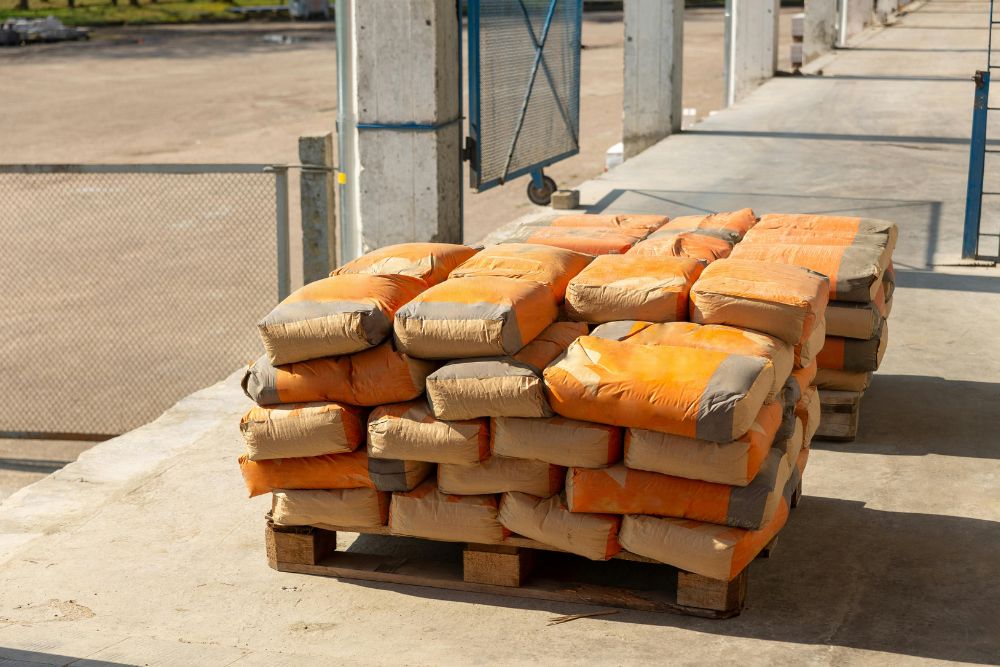
Have you ever found yourself standing in the middle of a construction site, realising your cement delivery hasn’t arrived? Or worse, discovered that the cement you ordered isn’t quite right for your project? Choosing the right cement supplier might seem like a straightforward task, but it can make or break your entire build.
Whether you’re a seasoned builder working across Melbourne or a DIY enthusiast tackling your first backyard project, finding reliable cement supplies in Melbourne is crucial. The supplier you choose affects everything from your project timeline to the structural integrity of your finished work. Get it wrong, and you’re looking at delays, budget blowouts, and potential quality issues.
In this guide, we’ll walk you through everything you need to know about selecting the perfect cement supplier for your needs. From understanding different cement types to building lasting supplier relationships, we’ve got you covered. Let’s get stuck into the details and help you make a confident, informed choice.
Understanding Your Project’s Cement Requirements
Types of Cement Available in Melbourne
Before you start comparing suppliers, you need to know exactly what you’re looking for. Melbourne suppliers typically stock several cement varieties, including General Purpose (GP) cement, General Purpose Blended (GB) cement, and specialty products like rapid-setting or sulfate-resistant options.
GP cement works brilliantly for most standard construction projects, from residential slabs to driveways. GB cement, which contains supplementary materials like fly ash or slag, offers environmental benefits and improved workability. For coastal projects or builds exposed to harsh conditions, specialty cements provide the extra protection your structure needs.
How Much Cement Do I Need for My Project?
Getting your quantities right saves both money and headaches. A good rule of thumb for concrete is roughly 300-350kg of cement per cubic metre, though this varies based on your mix design and strength requirements.
For accurate calculations, consider the total volume of concrete needed, then factor in a 5-10% buffer for wastage. Your supplier should be able to help with these calculations—if they can’t, that’s a red flag worth noting.
Matching Cement Grades to Your Specific Build
Different projects demand different cement grades. A garden path doesn’t need the same strength as a structural foundation. Matching the right grade to your project ensures you’re not overspending on unnecessary strength or, more critically, compromising structural integrity by going too weak.
What to Look for in a Cement Supplier
Product Range and Availability
A quality cement supplier stocks more than just one or two products. You want access to a range of cement types, grades, and bag sizes. Plus, they should have consistent stock levels so you’re not left waiting when you need supplies urgently.
Check whether they carry related products too—aggregates, sand, and concrete additives. One-stop shopping saves time and often money when you’re managing a busy project.
Pricing Transparency and Competitive Rates
Nobody likes hidden fees popping up on invoices. Look for suppliers who provide clear, upfront pricing with no nasty surprises. Request detailed quotes that break down product costs, delivery fees, and any additional charges.
That said, don’t automatically jump at the cheapest quote. Competitive rates matter, but rock-bottom prices sometimes indicate compromised quality or unreliable service.
Delivery Options and Reliability
Timely delivery keeps your project on track. Ask potential suppliers about their delivery schedules, minimum order requirements, and whether they offer same-day or next-day service for urgent needs.
Reliability is non-negotiable here. A supplier who consistently delivers late will cost you money in idle workers and project delays. Check their delivery fleet size and coverage areas across Melbourne.
Customer Service and Technical Support
Great suppliers do more than just take orders. They offer technical guidance, help with product selection, and provide responsive customer service when issues arise. Test this before committing—call with questions and see how they respond.
Where Can I Buy Cement in Bulk in Melbourne?
Wholesale Cement Suppliers vs Retail Options
For larger projects, wholesale suppliers typically offer better value than retail outlets like hardware stores. Wholesale suppliers specialise in bulk orders and often provide direct delivery to your site.
Retail options work fine for small DIY jobs, but the per-unit cost adds up quickly on bigger builds. Wholesale suppliers also tend to have better stock availability and more product knowledge.
Trade Accounts and Builder Discounts
If you’re regularly buying cement supplies in Melbourne, setting up a trade account makes sense. These accounts often come with:
– Volume discounts on bulk purchases
– Extended payment terms
– Priority delivery scheduling
– Dedicated account managers
– Streamlined ordering processes
Many suppliers offer different discount tiers based on your annual spend, so it’s worth asking about these programmes upfront.
How Do I Know If a Cement Supplier Is Reliable?
Checking Reviews and Industry Reputation
Online reviews give you real insights into a supplier’s performance. Look beyond star ratings—read the actual comments to understand common praise and complaints. Pay attention to mentions of delivery reliability, product quality, and how they handle problems.
Industry reputation matters too. Ask fellow builders, check trade associations, and see which suppliers consistently appear at industry events.
Certifications and Quality Standards to Look For
Legitimate suppliers should meet Australian Standards for their products. Look for certifications like ISO 9001 for quality management systems. Cement products should comply with AS 3972 and related standards.
Don’t hesitate to request documentation. Reputable suppliers happily provide certificates and test results because quality is their selling point.
Questions to Ask Before Placing Your First Order
Before committing, ask:
– What’s your average delivery timeframe?
– How do you handle order discrepancies or quality issues?
– What’s your minimum order quantity?
– Can you provide references from similar projects?
– What happens if a delivery is late?
Their answers reveal a lot about how they operate and whether they’ll be a good fit for your needs.
Local vs National Suppliers: Which Is Better for Melbourne Projects?
Benefits of Choosing Local Melbourne Cement Suppliers
Local suppliers often provide faster, more flexible service. They understand Melbourne’s specific conditions—from soil types to local building requirements. You’ll typically get more personalised attention and quicker problem resolution.
What’s more, local suppliers have established delivery networks across Melbourne, meaning better coverage and often same-day availability. Supporting local businesses also keeps money circulating in your community.
When a Larger Supplier Might Make Sense
For very large projects or those requiring specialised products, national suppliers sometimes offer advantages. They may have better access to specialty cements, larger stock reserves, and more competitive pricing on massive orders.
Consider your specific needs. A multi-site commercial development might benefit from a national supplier’s infrastructure, while a residential build often works better with local expertise.
Common Mistakes to Avoid When Selecting Cement Supplies
Prioritising Price Over Quality
We’ve all been tempted by a bargain, but cement isn’t the place to cut corners. Poor-quality cement leads to weak structures, cracking, and premature deterioration. The money you save upfront gets spent many times over on repairs and remediation.
Always balance cost considerations with quality assurance. Request product specifications and don’t compromise on cement that meets Australian Standards.
Overlooking Delivery Logistics
Failing to plan for delivery access can cause serious headaches. Make sure your site can accommodate delivery vehicles and that someone will be available to receive and check orders. Confirm storage arrangements to protect cement from moisture damage.
Failing to Plan for Project Delays
Construction rarely runs perfectly to schedule. Build flexibility into your cement supply arrangements. Discuss storage options with your supplier and understand their policies on order modifications or deferrals.
Is It Cheaper to Buy Cement Directly from a Supplier?
Generally, yes. Buying directly from cement suppliers eliminates retail markups and gives you access to trade pricing. For projects requiring more than a few bags, direct purchasing almost always offers better value.
Direct relationships also mean better service, more product choice, and the ability to negotiate terms. The savings become more significant as your order volumes increase.
How to Build a Long-Term Relationship with Your Cement Supplier
Strong supplier relationships benefit everyone. Pay invoices on time, provide accurate forecasts when possible, and communicate openly about your needs and any issues. Good suppliers reward loyal customers with better pricing, priority service, and flexibility during busy periods.
Consider consolidating your purchases with one or two key suppliers rather than spreading orders across many. This builds volume and strengthens your position when negotiating terms.
Making the Right Choice for Your Next Project
Choosing the right cement supplier isn’t just about finding the cheapest price—it’s about securing a reliable partner who supports your project’s success. From product quality and availability to delivery reliability and customer service, every factor plays a role in your final outcome.
Take time to research your options, ask the right questions, and build relationships with suppliers who understand your needs. Whether you’re sourcing cement supplies in Melbourne for a single residential project or ongoing commercial work, the effort you invest in finding the right supplier pays dividends throughout your build.
Ready to start your search? Use the criteria we’ve discussed, trust your instincts about service quality, and don’t be afraid to shop around. Your perfect cement supplier is out there—and finding them will make every future project run smoother.
