Fog-Proof Your Wine Room: Thermal Pane Glass Selection Guide
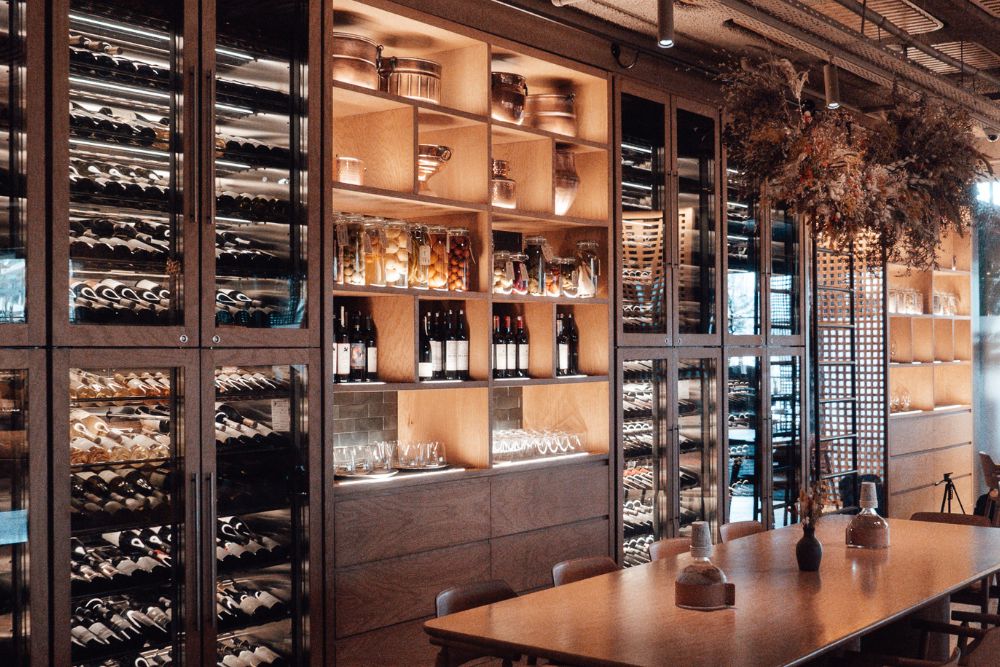
Humidity is the quiet troublemaker in wine storage. Everything can look perfect, from the rocks to the bottles, until one day you notice a cloudy haze creeping across your glass door. The “fogging” isn’t just annoying, but a sign that your wine room isn’t properly protected from moisture.
If you’re planning a glass wall wine cellar or upgrading an existing one in Houston, Texas, choosing the right thermal pane glass can make all the difference. Here’s how to get it right and avoid the common pitfalls that lead to condensation and fogging.
Why Fogging Happens in Wine Cellars?
Before jumping into solutions, it helps to understand the problem. Wine cellars are designed to maintain a stable, cool temperature with controlled humidity. The challenge is that the surrounding environment often has warm, moisture-heavy air.
When that warm air meets a cold glass surface, condensation forms. Over time, if your custom glass wine cellar isn’t built to handle this difference, moisture can seep between panes, causing that persistent foggy look.
That’s where thermal pane glass comes in. Also known as insulated glass, it consists of two or more panes separated by a sealed air or gas-filled space. This design acts as a barrier, reducing heat transfer and helping maintain consistent temperatures inside your wine cellar.
More importantly, it minimizes the chances of condensation forming one or between the panes—if it’s designed and installed correctly.
Thermal Pane Glass for Modern Glass Wine Cellars
- Choose Double or Triple Pane Construction
Not all thermal glass is equal. For wine cellars, double-pane glass is the minimum standard, but triple-pane can offer even better insulation in high-humidity environments.
The extra layer improves temperature separation between the cellar and the outside room. This reduces the likelihood of the inner surface getting cold enough to attract condensation.
If your cellar is located in a particularly humid area—like a basement in a warm climate—going beyond the minimum can save you from long-term issues.
- Look for Proper Sealing and Spacer Quality
Fogging between panes is often a sign of seal failure. Once the seal breaks, moisture enters the space between the glass layers and gets trapped. When choosing thermal pane glass, pay attention to:
- High-quality edge seals
- Durable spacer materials (like stainless steel or composite spacers)
- Proper manufacturing standards
Well-sealed glass wine room doors in Spring or Cypress keep the insulating gas intact and moisture out. This isn’t an area where cutting costs pays off.
- Consider Low-E Coatings
Low-emissivity (Low-E) coatings are thin layers applied to glass that allow light to pass through while reflecting heat. In a wine cellar, this helps maintain internal temperatures without overworking your cooling system.
While Low-E coatings don’t directly stop fogging, they help stabilize the temperature difference across the glass, which reduces overall condensation risk.
- Don’t Ignore Glass Thickness
Glass wine cellar doors aren’t just about insulation. They also need structural strength. Thicker glass improves durability and helps maintain a tighter seal over time.
Standard residential glass may not hold up well in a wine cellar environment where temperature and humidity levels are tightly controlled. Choosing glass that’s specifically designed for this purpose ensures better long-term performance.
- Pay Attention to Installation
Even the best thermal pane glass can fail if it’s poorly installed. Small gaps, improper sealing, or misalignment can allow humid air to infiltrate the system.
Professional custom-made cellar door installation ensures:
- Airtight sealing around the frame
- Proper alignment of the door or panels
- Reduced thermal bridging (where heat transfers through materials around the glass)
This is one reason many homeowners turn to specialists, like Wine Cellars of Houston, rather than general contractors for wine cellar projects.
- Maintain Proper Cellar Conditions
Even with the best glass, poor cellar conditions can still lead to fogging. Make sure your wine room maintains a consistent temperature of 55–58°F and humidity levels of 50–70%. It must also contain proper vapor barriers in walls and ceilings.
If humidity gets too high, condensation will find a way.
Foggy glass isn’t just a cosmetic issue. It’s usually a sign that something in your wine cellar design isn’t working as it should. The good news is that it’s preventable with the right choices upfront.
Thermal pane glass, when properly selected and installed, creates a stable barrier between your carefully controlled cellar and the outside environment. Focus on quality construction, reliable sealing, and professional installation. This way, you can avoid most of the common problems.
In the end, a clear view into your wine collection isn’t just about aesthetics. It’s how you know your cellar is doing exactly what it’s supposed to do!
FAQs:
- What kind of glass is best for a wine cellar?
Insulated glass is the best for a wine cellar.
- Does a wine cellar need to be insulated?
Insulation keeps your wine cellar’s climate stable. It stops temperature swings and humidity shifts that can ruin wine, while easing the load on your cooling system. That means better energy efficiency and a longer lifespan for your equipment.
- What are the common wine cellar mistakes?
Some common wine cellar mistakes include:
- Poor temperature or humidity control
- Bad insulation
- Light exposure
- Vibration
- Wrong shelving
- Choosing to DIY, instead of hiring experts like Wine Cellars of Houston