The Benefits of Acoustic Ceiling for Your Living Space
Have you ever noticed how some rooms just feel more peaceful than others? What makes your favourite coffee shop so relaxing, while your home office feels chaotic during family time? Could the secret to a calmer living space actually be above your head?
Sound plays a massive role in how we experience our homes, yet it’s something most of us overlook when decorating or renovating. We obsess over paint colours, flooring, and furniture, but rarely consider how noise bounces around our rooms. The truth is, unwanted sound can affect everything from your sleep quality to your stress levels and even your ability to concentrate.
In this guide, we’ll explore how acoustic ceilings can transform your living space into a quieter, more comfortable sanctuary. You’ll discover what acoustic ceiling sunshine, how they work, and why they’re becoming increasingly popular in Australian homes—particularly on the Sunshine Coast. We’ll also cover costs, installation options, and how to pick the right solution for your specific needs. Whether you’re dealing with noisy neighbours, echoing open-plan areas, or simply want a more peaceful home environment, you’re about to find some genuinely useful answers.
What Is an Acoustic Ceiling?
An acoustic ceiling is a specially designed ceiling system that absorbs and reduces sound within a space. Unlike standard plasterboard ceilings that reflect noise, acoustic ceiling are made from materials that trap sound waves, preventing them from bouncing around your room.
How Do Acoustic Ceilings Work?
The magic happens through sound absorption. When noise hits an acoustic ceiling, the porous materials capture the sound energy and convert it into tiny amounts of heat. This process dramatically reduces echo and reverberation, making conversations clearer and background noise less intrusive.
Think of it like this: a regular ceiling acts like a drum skin, bouncing sound back at you. An acoustic ceiling works more like a sponge, soaking up those sound waves before they can cause problems. The result? A noticeably quieter, more comfortable room.
Types of Acoustic Ceiling Panels and Tiles
You’ve got several options to choose from. Mineral fibre tiles are the classic choice—affordable and effective. Fibreglass panels offer excellent sound absorption and come in various thicknesses. For a more premium look, fabric-wrapped panels provide both acoustic benefits and aesthetic appeal. Plus, there are modern options like perforated metal panels and timber-look acoustic boards that blend seamlessly with contemporary Australian home designs.
The Key Benefits of Acoustic Ceilings for Your Living Space
Superior Noise Reduction and Sound Absorption
The primary benefit is obvious—acoustic ceilings dramatically cut down on unwanted noise. They can reduce sound levels by 50-70%, depending on the materials and installation. This means less echo, clearer conversations, and a generally more peaceful atmosphere.
For families with kids, this is a game-changer. The sound of children playing upstairs won’t reverberate through the entire house. For those working from home, you can finally take that video call without apologising for background noise.
Enhanced Privacy Between Rooms
Nobody wants to hear every conversation happening in the next room. Acoustic ceilings create a sound barrier that keeps private discussions private. This is particularly valuable in open-plan homes where sound travels freely between spaces.
Bedrooms benefit enormously from this added privacy. You can finally watch TV in the living room without disturbing someone sleeping nearby. It’s the kind of upgrade that improves daily life in ways you might not expect.
Improved Energy Efficiency and Thermal Insulation
Here’s a bonus many people don’t consider—acoustic ceilings also provide thermal insulation. The same materials that absorb sound also help regulate temperature, keeping your home cooler in summer and warmer in winter.
On the Sunshine Coast, where temperatures can soar, this means lower air conditioning bills. You’re essentially getting two benefits for the price of one. The insulation properties can reduce energy costs by up to 15%, making acoustic ceilings a smart long-term investment.
Aesthetic Versatility and Modern Design Options
Gone are the days of ugly, office-style ceiling tiles. Today’s acoustic ceiling options are genuinely attractive. You can choose from sleek, modern designs that complement any interior style—from coastal contemporary to minimalist chic.
Some homeowners opt for exposed timber-look acoustic panels that add warmth and character. Others prefer seamless, painted finishes that look identical to standard ceilings. Whatever your taste, there’s an acoustic solution that won’t compromise your home’s aesthetic.
Are Acoustic Ceilings Good for Homes?
Absolutely. While acoustic ceilings were once associated primarily with commercial spaces, they’ve become increasingly popular in residential settings. Modern materials and designs have made them perfectly suited for home use.
Best Rooms for Acoustic Ceiling Installation
Media rooms and home theatres are obvious candidates—improved sound quality makes movie nights more immersive. Home offices benefit tremendously, especially for video conferences. Bedrooms become more restful, and open-plan living areas feel less chaotic.
Kitchens are another excellent choice. The clatter of dishes and appliances can be overwhelming, particularly in homes with hard flooring. An acoustic ceiling absorbs much of this noise, making meal preparation less stressful.
Acoustic Ceilings in Open-Plan Living Areas
Open-plan designs are hugely popular in Australia, but they come with a downside—noise travels everywhere. Cooking, watching TV, and conversations all compete for attention in the same space.
Acoustic ceilings help zone these areas acoustically, even when they’re physically connected. You can have a conversation at the dining table while someone watches television in the lounge area without constant interruptions. It’s about creating functional spaces within open layouts.
What Are the Disadvantages of Acoustic Ceilings?
Let’s be honest—no solution is perfect. Acoustic ceilings typically reduce ceiling height by 100-200mm, which might be problematic in rooms with already low ceilings. They can also be more expensive upfront than standard options.
Addressing Common Concerns and Misconceptions
Many people worry acoustic ceilings look institutional or dated. This simply isn’t true anymore. Modern products are designed specifically for residential use and look fantastic.
Another concern is maintenance. While some older acoustic tiles were difficult to clean, contemporary options are often wipeable and moisture-resistant. They’re also easier to access for electrical or plumbing work than solid ceilings.
Acoustic Ceiling Solutions for the Sunshine Coast Climate
Humidity and Moisture Considerations
The Sunshine Coast’s subtropical climate means humidity is a real factor. Standard acoustic tiles can absorb moisture, leading to sagging or mould issues over time. This makes material selection crucial.
Look for products specifically rated for humid environments. Many manufacturers now offer moisture-resistant acoustic panels designed for Australian conditions. These maintain their performance and appearance even during the wettest months.
Choosing the Right Materials for Australian Conditions
Fibreglass and mineral wool products generally perform well in humid conditions. Some newer composite materials offer even better moisture resistance. Always check the product specifications and ask your supplier about suitability for coastal Queensland environments.
It’s worth investing in quality materials upfront. Cheaper options might save money initially but could require replacement within a few years if they can’t handle the local climate.
DIY vs Professional Acoustic Ceiling Installation
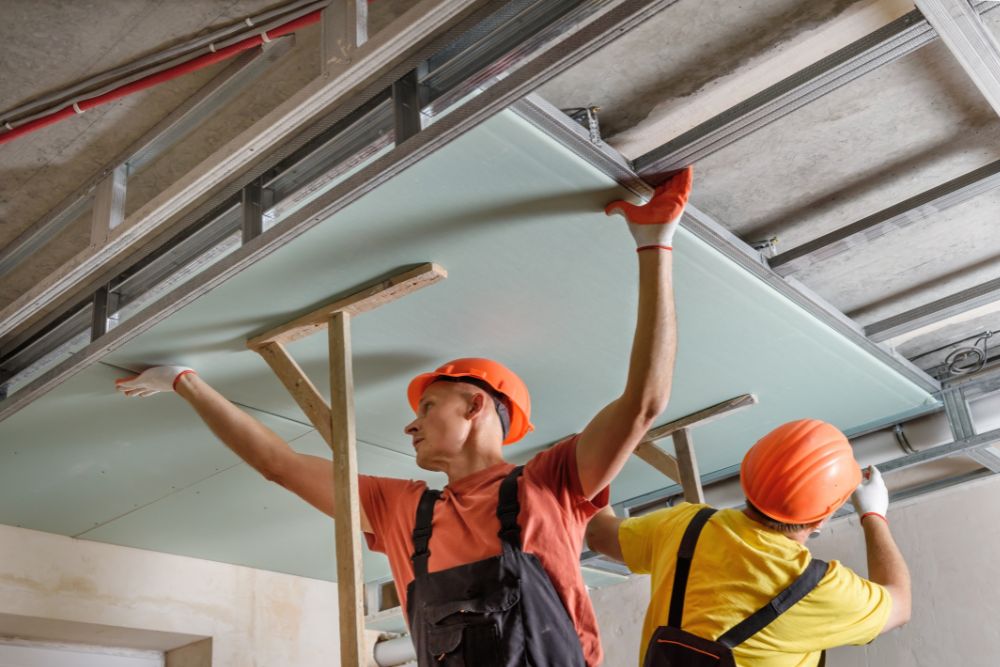
Some acoustic ceiling systems are designed for DIY installation, particularly drop-ceiling grids with standard tiles. If you’re handy and comfortable working at height, this can save money.
When to Call in the Experts
For seamless finishes, integrated lighting, or complex designs, professional installation is recommended. Experts ensure proper acoustic performance and a polished final appearance. They can also identify and address any existing ceiling issues before installation.
Professionals understand ventilation requirements and building codes—important considerations that DIYers might overlook. For the best results, particularly in main living areas, it’s worth paying for expertise.
How to Choose the Right Acoustic Ceiling for Your Home
Start by identifying your primary goal. Is it noise reduction, aesthetic improvement, or thermal insulation? Different products excel in different areas.
Consider your room’s function and size. High-traffic family rooms need durable, cleanable materials. Bedrooms might prioritise maximum sound absorption. Think about your home’s overall style and choose materials that complement your existing décor.
Finally, consult with specialists who understand local conditions. They can recommend products suited to the Sunshine Coast climate and your specific requirements.
Transform Your Living Space with Acoustic Ceilings
Acoustic ceilings offer a remarkable combination of benefits that genuinely improve daily life. From superior noise reduction and enhanced privacy to energy efficiency and modern aesthetics, they address multiple concerns with a single solution.
For Sunshine Coast homeowners, choosing the right materials for our subtropical climate is essential. Invest in quality, moisture-resistant products, and consider professional installation for the best results. While the upfront cost might seem significant, the long-term benefits—both practical and financial—make it a worthwhile investment.
Whether you’re building a new home, renovating, or simply looking to improve your existing space, acoustic ceilings deserve serious consideration. Your ears—and your energy bills—will thank you.