5 Strategies for Effective Home Underpinning
Have you noticed cracks creeping across your walls lately? Are your doors suddenly sticking, or do your floors feel a bit uneven underfoot? If you’re nodding along, you might be facing foundation problems – and you’re certainly not alone. Thousands of Australian homeowners deal with these issues every year, often wondering what their next steps should be.
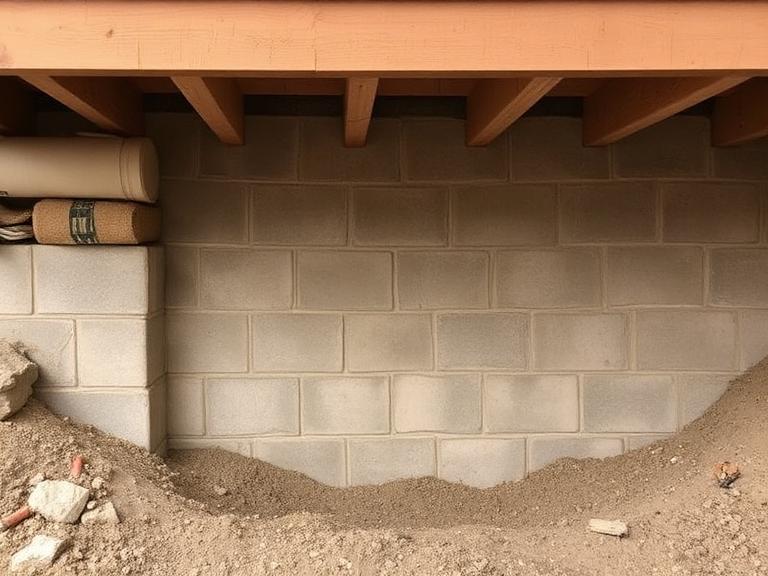
Home underpinning is essentially the process of strengthening and stabilising your property’s existing foundations. Think of it as giving your home’s base a much-needed boost when the original foundation can no longer do its job properly. This typically happens when soil conditions change, the foundation wasn’t designed for the current load, or natural movement has taken its toll over the years.
In this article, we’ll walk you through five essential strategies for effective home underpinning. You’ll learn how to spot the warning signs that your home needs attention, understand the different underpinning methods available, and discover how to choose the right contractor for the job. We’ll also cover what to expect during the process and how to maintain your foundation long after the work is complete. Whether you’re dealing with minor concerns or significant structural issues, this guide will help you make informed decisions about protecting your most valuable asset – your home.
#1. Understanding Foundation Assessment and Inspection
Before jumping into any underpinning project, you need a clear picture of what’s actually happening beneath your home. So, how do you know if your house needs underpinning in the first place? The answer lies in a thorough professional assessment.
What Causes Foundation Problems in Australian Homes?
Australian homes face unique challenges when it comes to foundation stability. Reactive clay soils, which expand and contract dramatically with moisture changes, are incredibly common across the country. Add in factors like tree roots seeking water, poor drainage, and natural ground movement, and you’ve got a recipe for foundation troubles. Even homes built on solid ground can experience issues due to inadequate original construction or changes in load-bearing requirements.
Recognising the Warning Signs
Keep your eyes peeled for these telltale indicators: diagonal cracks appearing around windows and doors, gaps forming between walls and ceilings, floors that slope or feel bouncy, and doors or windows that no longer close properly. Internal cracks wider than 5mm deserve immediate attention. Don’t dismiss these signs as “just an old house settling” – they’re your home’s way of telling you something’s wrong.
A qualified structural engineer can conduct a comprehensive assessment, identifying the root cause of your problems and recommending appropriate solutions. This professional evaluation is absolutely critical before any underpinning work begins, as it ensures you’re addressing the actual issue rather than just treating symptoms.
#2. Choosing the Right Underpinning Method for Your Property
Not all underpinning solutions are created equal, and selecting the right method for your specific situation can make all the difference. Let’s break down the main options available to Australian homeowners.
Mass Concrete Underpinning
This traditional approach involves excavating sections beneath your existing foundation and filling them with concrete. It’s reliable, time-tested, and works brilliantly for many properties. Mass concrete underpinning suits homes where the new foundation depth isn’t too extreme and soil conditions are relatively stable.
Beam and Base Underpinning
When you need to transfer your home’s load to deeper, more stable soil, beam and base underpinning steps up to the plate. This method creates a reinforced concrete beam below or alongside your existing foundation, distributing weight more evenly. It’s particularly effective for homes requiring deeper foundation support.
Mini-Piled and Resin Injection Options
For challenging soil conditions or restricted access sites, mini-piled underpinning offers a versatile solution. Small-diameter piles are driven deep into the ground to reach stable strata. Alternatively, resin injection underpinning represents a modern, less invasive approach. This technique involves injecting expanding resin beneath the foundation to lift and stabilise it – often with minimal disruption to your daily life. Your structural engineer will recommend which method suits your property best based on soil conditions, access limitations, and budget considerations.
#3. Selecting a Qualified Underpinning Contractor
Finding the right contractor can feel overwhelming, but it’s one of the most important decisions you’ll make throughout this process. So, how do you choose a reputable underpinning company that’ll do the job properly?
Essential Qualifications to Look For
Start by checking that any contractor holds the appropriate licences for structural work in your state. In most Australian states, underpinning falls under specialist building categories requiring specific certifications. Ask about their insurance coverage – both public liability and professional indemnity are non-negotiable. A reputable company will happily provide proof of these credentials.
Questions Worth Asking
Before signing anything, grill potential contractors with these questions: How many similar projects have you completed? Can you provide references from recent clients? What’s your typical timeline for this type of work? Will you handle council permits, or is that my responsibility? Their willingness to answer thoroughly speaks volumes about their professionalism.
Understanding Costs
How much does underpinning cost in Australia? Unfortunately, there’s no one-size-fits-all answer. Prices vary wildly based on your home’s size, the underpinning method required, soil conditions, and access difficulties. Generally, you might expect anything from $10,000 for minor work to $50,000 or more for extensive projects. Always obtain multiple detailed quotes and compare like with like – the cheapest option isn’t always the wisest choice when your home’s structural integrity is at stake.
#4. Planning and Preparing for the Underpinning Process
Once you’ve selected your contractor, it’s time to prepare for the actual work. Understanding what lies ahead helps manage expectations and reduces stress during construction.
What to Expect During Works
Underpinning projects typically involve excavation, concrete work, and plenty of activity around your property. Your contractor should provide a clear schedule outlining each phase. How long does house underpinning take? Most residential projects run between two and six weeks, depending on complexity. Weather delays, unexpected ground conditions, or access issues can extend timelines, so build some flexibility into your planning.
Permits and Council Approvals
In Australia, underpinning work generally requires building permits and potentially development approval from your local council. Your contractor should guide you through this process, though ultimately the responsibility often falls on the homeowner. Don’t skip this step – unpermitted work can create serious headaches when selling your property later.
Can You Stay During Construction?
Many homeowners wonder whether they need to move out during underpinning. The good news? In most cases, you can stay put. However, expect some disruption – noise, dust, restricted access to certain areas, and construction vehicles coming and going. If you have young children, elderly family members, or anyone with health concerns, discuss potential impacts with your contractor beforehand. Sometimes a short stay elsewhere during the most intensive phases makes life easier for everyone.
#5. Post-Underpinning Maintenance and Prevention
Congratulations – the underpinning work is complete! But your job isn’t quite finished. Proper maintenance ensures your investment continues protecting your home for decades to come.
Maintaining Your Foundation
After underpinning, monitor your property carefully for the first few months. Some minor settling is normal, but report any concerning changes to your contractor promptly. Most reputable companies offer warranties and will address issues arising from their work.
Preventing Future Problems
Is underpinning a permanent fix? When done correctly, absolutely – but only if you address the underlying causes of your original foundation problems. Implement these preventative measures: maintain consistent moisture levels around your foundation by managing garden watering, ensure proper drainage directs water away from your home, and address any plumbing leaks immediately. If large trees contributed to your issues, consider removing them or installing root barriers.
Ongoing Inspections
Schedule follow-up inspections with a structural engineer every few years, particularly if you live in an area with reactive soils. Catching small problems early prevents them from becoming expensive major repairs. Think of these inspections as routine health checks for your home – a small investment that provides significant peace of mind.
Making Informed Decisions About Your Home’s Foundation
Making informed decisions about your home’s foundation is essential when you start noticing signs of structural problems. While foundation issues can feel overwhelming at first, having the right knowledge helps you take the right steps with confidence. From getting a professional inspection to selecting the right repair method and contractor, every step plays a role in protecting the long-term stability of your property.
If you are dealing with foundation movement or structural cracks, professional underpinning can provide the support your home needs. A properly planned underpinning solution strengthens the foundation and prevents further damage, helping your property remain safe and structurally sound.
Although underpinning may seem like a significant investment, it protects both the safety and value of your home in the long run. Addressing foundation problems early ensures minor issues do not turn into major structural failures later.
Taking action today can save you stress and costly repairs in the future. With the right experts and a well-planned approach to underpinning in Mildura, you can restore confidence in your home’s foundation and ensure it remains stable for many years to come.