Proven Strategies for Reducing Costs with Interstate Transport Companies
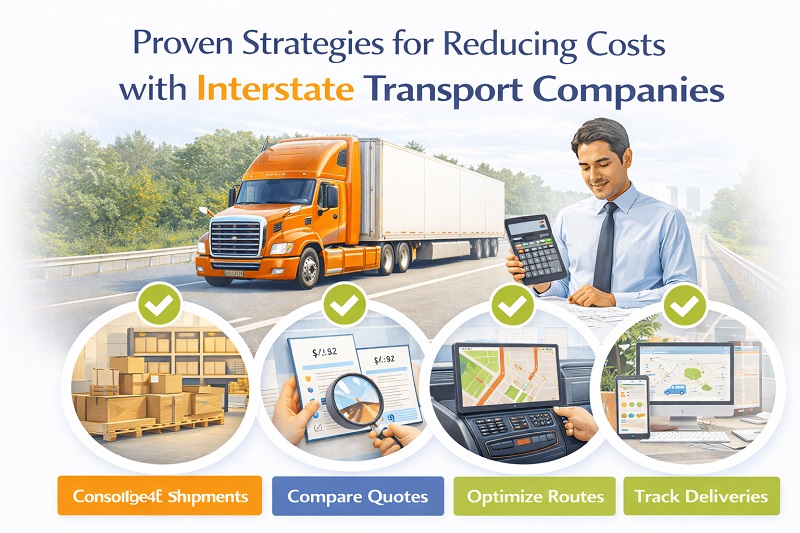
Are you watching your freight bills climb higher each quarter? Wondering why your logistics costs seem to spiral out of control despite your best efforts? Have you ever questioned whether you’re actually getting value for money from your interstate transport companies?
You’re certainly not alone. For Australian businesses shipping goods across state lines, transportation cost reduction has become a top priority. With fuel prices fluctuating, driver shortages affecting the industry, and competition tightening margins, finding ways to reduce freight cost isn’t just smart—it’s essential for survival. The good news? There are plenty of practical strategies that can make a real difference to your bottom line.
In this guide, we’ll explore proven methods for cutting your freight expenses without sacrificing service quality. From understanding your current spending to building better relationships with carriers, we’ll cover everything you need to know about how to reduce transportation cost in logistics. Whether you’re a small business owner shipping occasional pallets or a larger operation moving goods daily, you’ll find actionable tips to help you secure low freight rates and keep your business competitive.
Understanding Your Current Freight Costs
Before you can reduce logistics costs, you need to know exactly where your money goes. Many businesses simply pay their freight invoices without questioning the breakdown—and that’s a costly mistake.
Breaking Down Transportation Cost in Logistics
Your freight charges typically include base rates, fuel surcharges, pickup and delivery fees, and various accessorial charges. Each component offers potential savings opportunities. Start by requesting detailed invoices from your carriers so you can see exactly what you’re paying for. You might be surprised to discover charges you didn’t know existed.
Hidden Costs You Might Be Overlooking
Beyond the obvious line items, hidden costs can seriously inflate your logistic costs. Think about detention fees when drivers wait too long at your warehouse, residential delivery surcharges, or liftgate charges. There’s also the cost of damaged goods, late deliveries that upset customers, and the administrative time spent managing freight issues. These often fly under the radar but add up quickly.
How to Audit Your Current Spending
Set aside time quarterly to review your freight invoices properly. Compare what you’re paying against your contracted rates—billing errors happen more often than you’d think. Track your spending by lane, carrier, and shipment type. This data becomes invaluable when negotiating better rates or identifying which shipments cost you the most.
How to Reduce Freight Cost: Practical Strategies That Work
Once you understand your current spending, it’s time to take action. Here are proven methods that deliver real results.
Consolidating Shipments for Better Rates
Rather than sending multiple small shipments throughout the week, consider consolidating them into fewer, larger loads. Carriers offer better rates for full truckloads compared to less-than-truckload (LTL) shipments. Even if you can’t fill an entire truck yourself, freight consolidation services can combine your goods with other shippers heading the same direction.
Optimising Packaging to Reduce Dimensional Weight
Carriers charge based on either actual weight or dimensional weight—whichever is greater. If your packaging is bulky with lots of empty space, you’re essentially paying to ship air. Review your packaging design regularly. Can you use smaller boxes? Remove unnecessary void fill? Even small changes can lead to significant savings on dimensional weight charges.
Planning Routes Strategically Across Australian States
The distance between Sydney and Perth differs dramatically from Melbourne to Brisbane, and so do the rates. Work with your sales team to batch orders geographically when possible. Understanding which corridors have more competition (and therefore better rates) helps you plan shipments strategically. Some routes simply cost less due to higher carrier density and return freight opportunities.
How to Reduce the Transportation Cost for Freight Through Smart Partnerships
Your relationships with interstate transport companies directly impact your freight rate solutions. Building the right partnerships can unlock savings you didn’t know existed.
Negotiating with Interstate Transport Companies
Don’t accept the first quote you receive. Carriers expect negotiation—it’s part of the game. Come prepared with data about your shipping volumes, consistency, and growth potential. Highlight what makes you an attractive customer: reliable payment, easy-to-access facilities, or flexible pickup windows. These factors give you leverage for better rates.
Building Long-Term Relationships for Low Freight Rates
Loyalty has value in the transport industry. Carriers prefer customers they can count on over one-off shippers. By committing to a carrier for the long term, you often secure better rates and priority service during busy periods. Plus, established relationships mean faster problem resolution when issues arise.
When to Use Multiple Carriers vs. a Single Provider
There’s no one-size-fits-all answer here. Using multiple carriers gives you backup options and rate competition. However, spreading volume too thin means less negotiating power with each carrier. Many businesses find success with a primary carrier handling most freight while maintaining one or two alternatives for specific lanes or overflow capacity.
Freight Rate Solutions: Finding Low Freight Rates Without Sacrificing Quality
Securing low freight rates shouldn’t mean accepting poor service. Here’s how to find the sweet spot.
Comparing Quotes Effectively
When comparing quotes, ensure you’re comparing apples with apples. Different carriers may include or exclude various services in their base rates. Create a standardised comparison format that accounts for all potential charges. Also consider service levels, transit times, and damage rates—not just the bottom-line price.
Understanding Seasonal Pricing Fluctuations
Freight rates aren’t static. Prices typically spike during peak retail seasons, end-of-financial-year periods, and holiday times. Planning your shipments around these fluctuations can yield significant savings. When possible, ship during off-peak periods or lock in rates in advance through contracted agreements.
Leveraging Technology for Rate Comparisons
Transport management systems and freight marketplaces have transformed how businesses find rates. These platforms let you compare multiple carriers instantly, often revealing options you didn’t know existed. Many also offer historical data showing rate trends, helping you time your negotiations perfectly.
How to Reduce Logistics Cost with Operational Changes
Sometimes the biggest savings come from changes within your own operations rather than external negotiations.
Improving Warehouse Efficiency and Load Times
When trucks wait at your dock, costs increase. Detention charges are obvious, but there’s also the hidden cost of carriers adding risk premiums for difficult customers. Streamline your loading processes, prepare shipments in advance, and stick to scheduled appointment times. Carriers notice—and reward—efficient customers.
Reducing Return Freight Expenses
Returns are a necessary evil, but they don’t have to break the bank. Analyse why products come back and address root causes. When returns are unavoidable, consolidate them where possible and negotiate specific return freight rates with your carriers.
Streamlining Documentation and Communication
Incorrect paperwork causes delays, additional handling, and storage charges. Invest in getting your documentation right the first time. Clear communication with carriers about special requirements prevents costly misunderstandings. Digital systems that share information automatically reduce errors and save administrative time.
How to Reduce Transportation Cost in Logistics: Technology and Automation
Modern technology offers tremendous opportunities for reducing logistics costs through better visibility and smarter decisions.
Transport Management Systems Worth Considering
A good transport management system (TMS) automates carrier selection, optimises loads, and provides visibility across your supply chain. While there’s an upfront investment, the savings typically pay for themselves quickly through better rate management and reduced manual effort.
Real-Time Tracking and Its Cost-Saving Benefits
Knowing exactly where your freight is at any moment helps you avoid expedited shipping for urgent orders—you can see if standard shipping will arrive in time. Tracking data also helps identify patterns of delays, allowing you to address root causes or switch to more reliable carriers.
Data Analytics for Smarter Decision-Making
Your shipping data tells a story. Analytics tools can reveal which products cost the most to ship relative to their value, which destinations are most expensive, and which carriers deliver the best value. These insights drive smarter decisions about everything from product pricing to carrier relationships.
Ways to Reduce Transportation Costs for Small and Medium Businesses
Smaller operations face unique challenges but also have specific opportunities for savings.
Cost-Effective Options for Smaller Shipments
Small shipments often attract premium rates. Consider options like pallet networks, which consolidate small shipments efficiently. Some carriers offer economy services with longer transit times but significantly lower prices—perfect when speed isn’t critical.
Joining Freight Cooperatives and Buying Groups
Collective buying power levels the playing field. Freight cooperatives and industry buying groups negotiate rates based on combined volume, giving small businesses access to rates usually reserved for major shippers. Check if your industry association offers such programmes.
Reducing Logistics Costs: Common Mistakes to Avoid
Watch out for these pitfalls that undermine your cost-reduction efforts. Chasing the cheapest rate without considering service quality often backfires through damaged goods and late deliveries. Failing to review invoices means paying for billing errors. Neglecting carrier relationships leads to poor service during crunch times. Finally, ignoring data means repeating expensive mistakes indefinitely.
Taking Action on Transportation Cost Reduction
Reducing your freight costs isn’t about finding one magic solution—it’s about consistently applying multiple strategies that deliver results over time. Start by clearly understanding what you’re currently spending and where the biggest cost leaks occur. Then work through the strategies we’ve covered, from consolidating shipments to building stronger carrier relationships.
A smart next step is to speak directly with a reliable interstate transport company in Sydney that understands your freight volumes, delivery routes and compliance requirements.
The businesses that succeed with transportation cost reduction treat it as an ongoing process—not a one-off project. Markets change, carriers restructure networks and your shipping patterns evolve. Regular performance reviews and continuous improvement help keep costs under control year after year.




Post Comment